|
Bingo Adventure |
Bingo Adventure |
Casual, Cooperative |
Four players |
One player |
30 minutes |
30 minutes |
Tuesday, September 24, 2024 |
|
Laser Lines Arena |
Laser Lines Arena |
Casual, Strategic |
Two players |
Two players |
15 minutes |
30 minutes |
Thursday, August 22, 2024 |
|
Bring Your Own Dice |
Bring Your Own Dice |
Casual |
Twelve players |
Two players |
15 minutes |
30 minutes |
Saturday, July 13, 2024 |
|
World In My Pocket |
 |
Casual |
Five players |
One player |
120 minutes |
120 minutes |
Wednesday, May 1, 2024 |
|
Wobble Mysteries |
 |
Cooperative, Strategic |
Five players |
Two players |
60 minutes |
90 minutes |
Monday, April 1, 2024 |
|
Bounce, Hop, & Crash |
 |
Strategic |
Six players |
Two players |
45 minutes |
60 minutes |
Friday, March 1, 2024 |
|
Write And Roll – Powers ‘n Points (W.A.R - PnP) |
 |
Casual |
Two players |
Two players |
30 minutes |
45 minutes |
Thursday, February 1, 2024 |
|
Waiting For the Game to Start |
 |
Casual |
Lots |
One player |
30 minutes |
30 minutes |
Wednesday, January 24, 2024 |
|
VENNi, Vidi, Vici |
 |
Casual, Strategic |
Two players |
Two players |
30 minutes |
45 minutes |
Friday, January 27, 2023 |
|
Through the Gate |
 |
Casual, Cooperative, Educational, Family |
Five players |
One player |
45 minutes |
60 minutes |
Sunday, July 4, 2021 |
|
Brains & Hearts |
 |
Cooperative |
Six players |
Three players |
120 minutes |
120 minutes |
Saturday, July 3, 2021 |
|
Buck The Trend |
 |
Casual, Family |
Twelve players |
Four players |
30 minutes |
30 minutes |
Sunday, April 25, 2021 |
|
Fromage á Trois |
 |
Casual, Family |
Four players |
Two players |
15 minutes |
15 minutes |
Friday, March 5, 2021 |
|
Catch A Dragon By The Tail |
 |
Casual, Family |
Four players |
Two players |
30 minutes |
30 minutes |
Saturday, February 20, 2021 |
|
UpTower |
 |
Casual |
Lots |
Two players |
30 minutes |
30 minutes |
Saturday, January 30, 2021 |
|
CoLF DaDA - A Solo Low-Fantasy Adventure Game |
 |
Cooperative |
One player |
One player |
45 minutes |
60 minutes |
Friday, January 12, 2018 |
|
Power Up! Jewel Thieves |
 |
Casual, Strategic |
Two players |
Two players |
45 minutes |
60 minutes |
Wednesday, July 1, 2015 |
|
Alakazam |
 |
Casual, Family, Party |
Four players |
Two players |
30 minutes |
45 minutes |
Wednesday, July 1, 2015 |
|
The Elephant Song Game Deck |
 |
Casual, Educational, Family |
Four players |
Two players |
15 minutes |
15 minutes |
Monday, June 1, 2015 |
|
Shapeshifting Simulacra |
 |
Casual, Strategic |
Two players |
Two players |
30 minutes |
45 minutes |
Friday, May 1, 2015 |
|
Below/Above |
 |
Casual, Educational, Family |
Ten players |
Three players |
15 minutes |
15 minutes |
Wednesday, April 1, 2015 |
|
Don’t Drop the Ghost! |
 |
Casual, Educational, Family |
Lots |
5 |
45 minutes |
60 minutes |
Sunday, March 1, 2015 |
|
Chicken |
 |
Casual, Family |
Four players |
Two players |
15 minutes |
15 minutes |
Wednesday, February 25, 2015 |
|
Hierarchy |
 |
Casual, Strategic |
Six players |
Three players |
60 minutes |
60 minutes |
Sunday, August 18, 2013 |
|
Eight-by-eight (or 8^3, or 512) |
 |
Casual, Strategic |
Four players |
Two players |
45 minutes |
60 minutes |
Friday, January 18, 2013 |
|
Grid Snakes |
 |
Strategic |
Four players |
Two players |
60 minutes |
75 minutes |
Wednesday, December 1, 2010 |
|
Crazy Cat Fanciers |
 |
Casual, Family |
Four players |
Two players |
45 minutes |
60 minutes |
Wednesday, December 30, 2009 |
|
Hidden Rules |
 |
Casual |
Six players |
Three players |
90 minutes |
90 minutes |
Monday, November 30, 2009 |
|
Birthday Party, Cheesecake, Jelly Bean, Boom! |
 |
Casual, Family, Party |
Six players |
Three players |
30 minutes |
30 minutes |
Saturday, November 28, 2009 |
|
Twisty Passages |
 |
Casual, Family |
Four players |
Two players |
45 minutes |
60 minutes |
Tuesday, September 15, 2009 |
|
Magma |
 |
Strategic |
Six players |
Two players |
60 minutes |
75 minutes |
Wednesday, July 15, 2009 |
|
The Stick Figure Abuse Game |
 |
Casual, Strategic |
Five players |
Two players |
30 minutes |
45 minutes |
Monday, June 15, 2009 |
|
Fingerdance |
 |
Casual, Educational, Family, Outdoor |
Two players |
Two players |
10 minutes |
10 minutes |
Wednesday, April 15, 2009 |
|
Aliens vs. Cows |
 |
Strategic |
Two players |
Two players |
45 minutes |
60 minutes |
Tuesday, March 31, 2009 |
|
Duplexity |
 |
Strategic |
Two players |
Two players |
45 minutes |
60 minutes |
Sunday, February 15, 2009 |
|
Cheater's Game |
 |
Casual |
Five players |
Three players |
45 minutes |
60 minutes |
Wednesday, December 31, 2008 |
|
Space Monster |
 |
Casual, Strategic |
Five players |
One player |
90 minutes |
105 minutes |
Monday, December 15, 2008 |
|
Tri-ochee |
 |
Casual, Family, Outdoor |
Four players |
Two players |
30 minutes |
30 minutes |
Saturday, November 15, 2008 |
|
Haunted Destinies |
 |
Strategic |
Six players |
Three players |
60 minutes |
75 minutes |
Wednesday, October 15, 2008 |
|
Naughty & Nice |
 |
Casual, Party |
Four players |
Two players |
45 minutes |
60 minutes |
Friday, August 15, 2008 |
|
Fantasy RPG Checkers |
 |
Strategic |
Two players |
Two players |
45 minutes |
60 minutes |
Tuesday, April 15, 2008 |
|
Steamwork Arena |
 |
Strategic |
Four players |
Two players |
30 minutes |
45 minutes |
Saturday, March 15, 2008 |
|
16 Memories |
 |
Casual, Educational, Family, Party |
Four players |
Two players |
30 minutes |
45 minutes |
Friday, February 1, 2008 |
|
Payout! |
 |
Casual, Family, Party |
Six players |
Two players |
30 minutes |
30 minutes |
Tuesday, January 15, 2008 |
|
Druid's Duel |
 |
Casual, Strategic |
Four players |
Two players |
15 minutes |
15 minutes |
Saturday, December 15, 2007 |
|
Renaissance Man |
 |
Casual, Family, Party |
Four players |
Two players |
30 minutes |
45 minutes |
Monday, November 5, 2007 |
|
Shangzhou-Gold |
 |
Strategic |
Four players |
Four players |
60 minutes |
75 minutes |
Monday, October 15, 2007 |
|
Divine Nuke Wrath |
 |
Strategic |
Four players |
Three players |
60 minutes |
60 minutes |
Saturday, September 15, 2007 |
|
Runaround |
 |
Casual, Family |
Two players |
Two players |
30 minutes |
45 minutes |
Wednesday, August 15, 2007 |
|
Qurush |
 |
Strategic |
Four players |
Two players |
30 minutes |
45 minutes |
Thursday, July 5, 2007 |
|
Zombie Wars v1.1 |
 |
|
Four players |
|
45 minutes |
60 minutes |
Friday, June 15, 2007 |
|
Doodads |
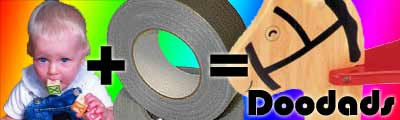 |
Strategic |
Five players |
Three players |
60 minutes |
75 minutes |
Tuesday, May 15, 2007 |
|
High Noon |
 |
Casual |
Two players |
Two players |
15 minutes |
15 minutes |
Sunday, April 15, 2007 |
|
Office Gossip |
 |
Party |
Twelve players |
Five players |
30 minutes |
45 minutes |
Thursday, March 15, 2007 |
|
The Unnamed Game |
 |
Strategic |
Five players |
Three players |
45 minutes |
60 minutes |
Thursday, February 15, 2007 |
|
Pass The Ewe |
 |
Casual, Family, Party |
Six players |
Three players |
30 minutes |
30 minutes |
Monday, January 15, 2007 |
|
Whakka Mole |
 |
Casual |
Six players |
Two players |
30 minutes |
30 minutes |
Friday, December 15, 2006 |
|
Ninja Golf: 18 Holes of Death! |
 |
Casual, Party |
Four players |
Two players |
45 minutes |
60 minutes |
Wednesday, November 15, 2006 |
|
Cetacean Ascension Moonbase 8 (CAM 8) |
 |
Strategic |
Six players |
Three players |
60 minutes |
75 minutes |
Tuesday, October 10, 2006 |
|
Monster In The Cabbages |
 |
Casual, Educational, Family, Party |
Five players |
Two players |
45 minutes |
60 minutes |
Friday, September 15, 2006 |
|
Juggernauts |
 |
Strategic |
Two players |
Two players |
45 minutes |
60 minutes |
Tuesday, August 15, 2006 |
|
Elemental Warriors II |
 |
Casual, Strategic |
Two players |
Two players |
30 minutes |
45 minutes |
Saturday, July 15, 2006 |
|
Housewarming |
 |
Party |
Four players |
Two players |
30 minutes |
45 minutes |
Thursday, June 15, 2006 |
|
PerkyGoth |
 |
Casual, Party |
Four players |
Two players |
30 minutes |
45 minutes |
Monday, May 15, 2006 |
|
Climb On! |
 |
Casual |
Two players |
Two players |
30 minutes |
30 minutes |
Friday, April 14, 2006 |
|
Loser's Game |
 |
Casual, Party |
Six players |
Three players |
45 minutes |
60 minutes |
Wednesday, March 15, 2006 |
|
Sherbie vs. The Silverfish |
 |
Casual |
Five players |
Three players |
45 minutes |
60 minutes |
Wednesday, February 15, 2006 |
|
Share and Share Alike |
 |
Strategic |
Four players |
Four players |
45 minutes |
60 minutes |
Sunday, January 15, 2006 |
|
Season Harvest |
 |
Strategic |
Six players |
Two players |
60 minutes |
75 minutes |
Thursday, December 15, 2005 |
|
Gnaqush |
 |
Strategic |
Four players |
Four players |
45 minutes |
60 minutes |
Tuesday, November 15, 2005 |
|
Snowblind |
 |
|
Four players |
Four players |
45 minutes |
60 minutes |
Saturday, October 15, 2005 |
|
Uncontrolled Squid |
 |
Casual, Family, Party |
Twelve players |
Two players |
30 minutes |
45 minutes |
Thursday, September 15, 2005 |
|
Magic Spell |
 |
Strategic |
Four players |
Three players |
60 minutes |
75 minutes |
Monday, August 15, 2005 |
|
Run, Hamster, Run! (Version 2.1) |
 |
Educational, Family, Strategic |
Five players |
Two players |
45 minutes |
60 minutes |
Friday, July 15, 2005 |
|
BAG |
 |
Casual, Family |
Four players |
Two players |
45 minutes |
45 minutes |
Friday, July 15, 2005 |
|
'Dillos In Austin |
 |
|
Four players |
Two players |
45 minutes |
60 minutes |
Wednesday, June 15, 2005 |
|
Shift |
 |
Casual, Family |
Eight players |
Three players |
30 minutes |
45 minutes |
Saturday, May 14, 2005 |
|
Tumblewords |
 |
Casual, Educational, Family, Strategic |
Two players |
Two players |
45 minutes |
60 minutes |
Friday, April 15, 2005 |
|
I Want Candy! |
 |
Casual, Family, Party |
Six players |
Two players |
15 minutes |
15 minutes |
Tuesday, March 15, 2005 |
|
Peep War, 2005 revision |
 |
Casual, Family, Party, Strategic |
Six players |
Two players |
45 minutes |
60 minutes |
Tuesday, March 15, 2005 |
|
Navigator |
 |
Casual, Educational, Family, Party |
Four players |
Two players |
45 minutes |
60 minutes |
Tuesday, February 15, 2005 |
|
Blam! |
 |
Strategic |
Four players |
Two players |
45 minutes |
45 minutes |
Saturday, January 15, 2005 |
|
Dino Dig |
 |
Casual, Family |
Four players |
Two players |
45 minutes |
45 minutes |
Wednesday, December 15, 2004 |
|
SpellCycles |
 |
Strategic |
Four players |
Two players |
45 minutes |
60 minutes |
Monday, November 15, 2004 |
|
Deluxe Memory |
 |
Casual, Educational, Family |
Four players |
Two players |
30 minutes |
30 minutes |
Wednesday, September 15, 2004 |
|
Thinking in Circles |
 |
Casual |
Two players |
Two players |
30 minutes |
30 minutes |
Sunday, August 15, 2004 |
|
Celtic Knot |
 |
Strategic |
Two players |
Two players |
30 minutes |
30 minutes |
Thursday, July 15, 2004 |
|
Petri |
 |
Strategic |
Six players |
Two players |
45 minutes |
60 minutes |
Tuesday, June 15, 2004 |
|
Fairly Tales |
 |
Casual, Educational, Family |
Eight players |
Two players |
30 minutes |
30 minutes |
Saturday, May 15, 2004 |
|
Tabletop Freeze Tag |
 |
Casual |
Two players |
Two players |
10 minutes |
10 minutes |
Thursday, April 15, 2004 |
|
Pitter Pattern |
 |
Casual, Strategic |
Four players |
Two players |
45 minutes |
60 minutes |
Monday, March 15, 2004 |
|
Alien Abduction |
 |
Casual, Family |
Eight players |
Two players |
30 minutes |
30 minutes |
Sunday, February 15, 2004 |
|
Accelerator |
 |
Strategic |
Four players |
Two players |
45 minutes |
60 minutes |
Thursday, January 15, 2004 |
|
Zombie Rancher |
 |
Strategic |
Four players |
Two players |
45 minutes |
60 minutes |
Monday, December 15, 2003 |
|
Quadruple Agent |
 |
Casual, Strategic |
Four players |
Four players |
45 minutes |
60 minutes |
Saturday, November 15, 2003 |
|
Grunt Growl and Tear |
 |
Casual |
Two players |
Two players |
30 minutes |
45 minutes |
Wednesday, October 15, 2003 |
|
Slipmax |
 |
Casual, Family |
Six players |
Two players |
45 minutes |
45 minutes |
Monday, September 15, 2003 |
|
1000 Blank White Questions |
 |
Casual, Party |
Six players |
Three players |
60 minutes |
75 minutes |
Friday, August 15, 2003 |
|
Sprawl |
 |
Strategic |
Four players |
Two players |
45 minutes |
60 minutes |
Tuesday, July 15, 2003 |
|
Saving Private Checkers |
 |
Casual, Strategic |
Two players |
Two players |
30 minutes |
45 minutes |
Sunday, June 15, 2003 |
|
Diner Chess |
 |
Casual, Family, Party |
Eight players |
Two players |
30 minutes |
30 minutes |
Thursday, May 15, 2003 |
|
Trumplestiltskin |
 |
Casual, Family |
Four players |
Three players |
45 minutes |
60 minutes |
Tuesday, April 15, 2003 |
|
Black Cat |
 |
Casual, Family |
Four players |
Two players |
30 minutes |
30 minutes |
Saturday, March 15, 2003 |
|
Symbiote |
 |
Casual, Family, Party |
Four players |
Three players |
30 minutes |
30 minutes |
Saturday, February 15, 2003 |
|
Sorcerer's Apprentice |
 |
Casual, Family, Strategic |
Four players |
Two players |
30 minutes |
45 minutes |
Wednesday, January 15, 2003 |
|
Bonga Bonga |
 |
Casual, Family, Outdoor |
Eight players |
Two players |
15 minutes |
30 minutes |
Friday, November 15, 2002 |
|
Cube Digger |
 |
Strategic |
Two players |
Two players |
30 minutes |
30 minutes |
Tuesday, October 15, 2002 |
|
Pokino |
 |
Casual, Educational, Family |
Four players |
Two players |
60 minutes |
75 minutes |
Sunday, September 15, 2002 |
|
MetalTalon |
 |
Strategic |
Six players |
Two players |
60 minutes |
75 minutes |
Thursday, August 15, 2002 |
|
Scoop! |
 |
Casual, Strategic |
Four players |
One player |
45 minutes |
60 minutes |
Saturday, June 15, 2002 |
|
Ziggurat |
 |
Casual, Educational, Family, Strategic |
Four players |
Two players |
30 minutes |
45 minutes |
Wednesday, May 15, 2002 |
|
Ice Market |
 |
Strategic |
Four players |
Three players |
45 minutes |
60 minutes |
Monday, April 15, 2002 |
|
Jovian Syzygy |
 |
Strategic |
Four players |
One player |
45 minutes |
60 minutes |
Friday, March 15, 2002 |
|
Coral Reef |
 |
Educational, Family |
Two players |
Two players |
15 minutes |
30 minutes |
Friday, February 15, 2002 |
|
Jam Doodle |
 |
Casual, Educational, Family, Party |
Eight players |
Two players |
30 minutes |
30 minutes |
Tuesday, January 15, 2002 |
|
Penguin's Night Out |
 |
Casual, Strategic |
Four players |
Two players |
45 minutes |
60 minutes |
Thursday, November 15, 2001 |
|
Dungeon |
 |
Casual |
Four players |
Two players |
45 minutes |
45 minutes |
Monday, October 15, 2001 |
|
Blockade |
 |
Casual, Strategic |
Two players |
Two players |
45 minutes |
60 minutes |
Saturday, September 15, 2001 |
|
Schlock Attack |
 |
Casual, Strategic |
Two players |
Two players |
30 minutes |
45 minutes |
Wednesday, August 15, 2001 |
|
Roboctopus |
 |
Casual, Family, Outdoor, Party |
Twelve players |
Three players |
30 minutes |
30 minutes |
Friday, June 15, 2001 |
|
Lilypad |
 |
Casual, Family, Strategic |
Two players |
Two players |
30 minutes |
45 minutes |
Tuesday, May 15, 2001 |
|
Economy Class |
 |
Casual |
Four players |
Two players |
45 minutes |
45 minutes |
Thursday, March 15, 2001 |
|
Psi Squad |
 |
Educational, Family, Strategic |
Six players |
Three players |
30 minutes |
45 minutes |
Thursday, February 15, 2001 |
|
Rocketball |
 |
Strategic |
Two players |
Two players |
60 minutes |
75 minutes |
Monday, January 15, 2001 |
|
Dice Box |
 |
Casual |
Four players |
Two players |
30 minutes |
45 minutes |
Wednesday, November 15, 2000 |
|
Towers of Wyoming |
 |
Casual, Educational, Family |
Four players |
Two players |
30 minutes |
45 minutes |
Sunday, October 15, 2000 |
|
Kiki and Bun-Bun |
 |
Casual, Strategic |
Two players |
Two players |
30 minutes |
45 minutes |
Friday, September 15, 2000 |
|
Fact Party |
 |
Casual, Educational, Family, Party |
Lots |
One player |
30 minutes |
30 minutes |
Saturday, July 15, 2000 |
|
Abs-Trac-Toe |
 |
Casual, Strategic |
Two players |
Two players |
15 minutes |
15 minutes |
Thursday, June 15, 2000 |
|
RYB |
 |
Casual, Educational, Family, Strategic |
Five players |
Two players |
45 minutes |
60 minutes |
Monday, May 15, 2000 |
|
Up and Over |
 |
Casual, Educational, Family |
Five players |
Two players |
45 minutes |
60 minutes |
Saturday, April 15, 2000 |
|
Seven Pennies |
 |
Casual, Family |
Six players |
Two players |
15 minutes |
15 minutes |
Wednesday, March 15, 2000 |
|
Manic Minelayers |
 |
Educational, Family, Strategic |
Two players |
Two players |
15 minutes |
30 minutes |
Tuesday, February 15, 2000 |
|
Dinosaurs and Mammals |
 |
Outdoor, Party |
Lots |
5 |
30 minutes |
30 minutes |
Saturday, January 15, 2000 |
|
2001 Year-End Review |
2001 Year-End Review |
|
Four players |
|
45 minutes |
60 minutes |
|
|
2000 Year-End Review |
2000 Year-End Review |
|
Four players |
|
45 minutes |
60 minutes |
|
|
Cthulbeque |
Cthulbeque |
|
Four players |
|
45 minutes |
60 minutes |
|
|
Cthul-B-Que |
Cthul-B-Que |
|
Four players |
|
45 minutes |
60 minutes |
|
|
2002 Year-End Review |
2002 Year-End Review |
|
Four players |
|
45 minutes |
60 minutes |
|


